
Loading...
Serving Dothan, AL and surrounding areas. (334) 605-4941
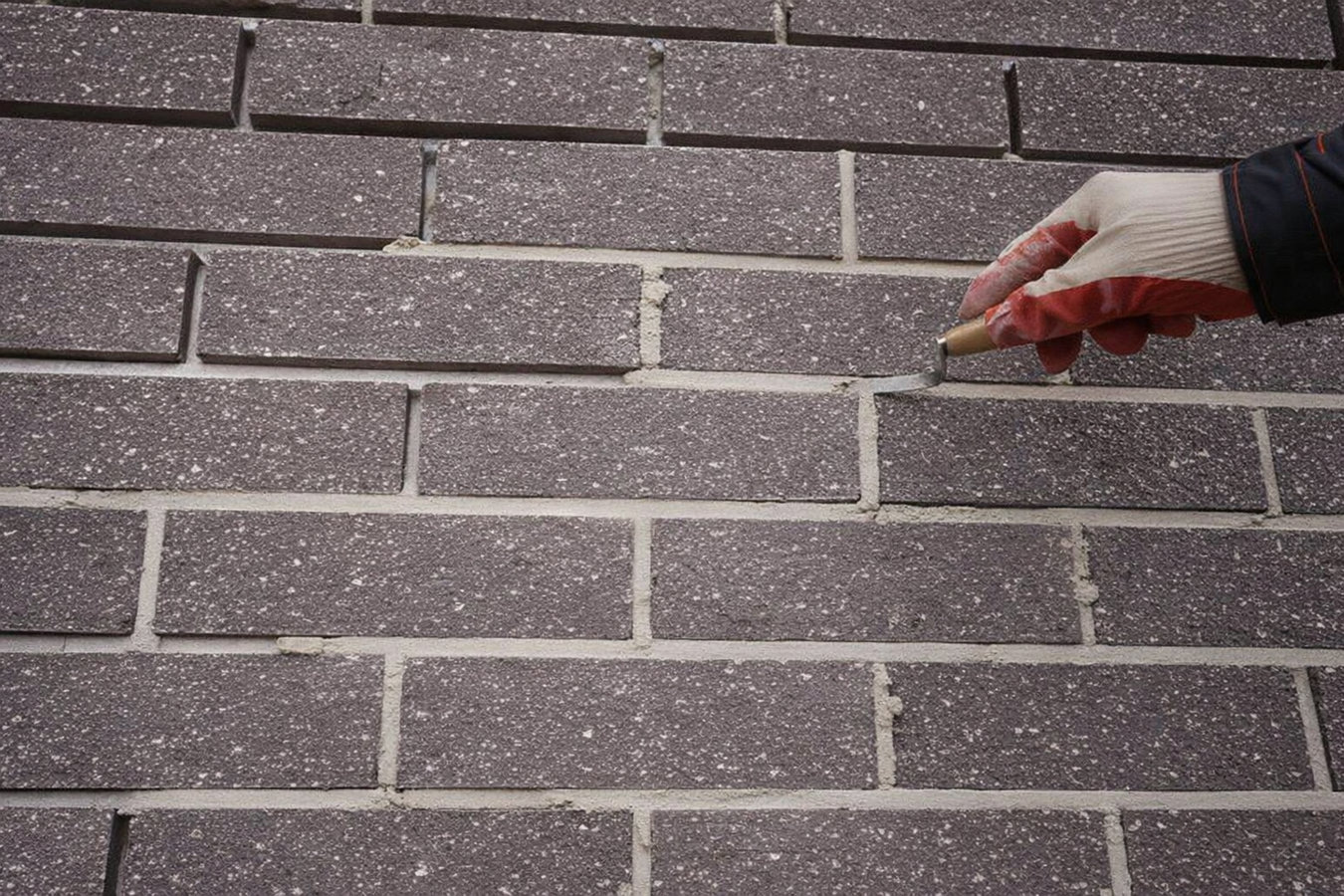
Failing mortar joints let water into your walls, accelerate brick deterioration, and can turn a maintenance call into a much bigger repair. We repoint brick walls and chimneys in Dothan with mortar matched to your home's age and materials.
Brick pointing in Dothan means removing old, crumbling mortar from the joints between bricks and replacing it with fresh material - restoring the wall's ability to shed water and hold together, with most single-story homes completed in one to three days.
Mortar joints are designed to be the sacrificial layer in a brick wall - they give before the bricks do. When those joints fail, water gets in, and in Dothan's humid climate with well over 55 inches of annual rain, that water causes damage quickly. Many homes in Dothan's established neighborhoods were built in the 1950s through 1970s, and the original mortar on those homes is now 50 to 70 years old. If your home falls in that range and the mortar has never been touched, there is a good chance it needs attention. If your walls or chimney show deeper structural concerns beyond the mortar, we also assess for foundation repair needs during the same visit.
Every job starts with a free on-site assessment. We will come look at your walls or chimney, tell you honestly what needs attention, and give you a written estimate before any work begins.
Stand back and look at your brick wall or chimney. If the lines between the bricks look hollow, crumbly, or like the material is pulling away from the brick edges, that mortar has failed. Run your finger along a joint - if it crumbles or powders easily, it is past due for repair. This is the most obvious sign, and it rarely gets better on its own.
That chalky white residue is called efflorescence, and it happens when water moves through the wall, picks up mineral salts, and deposits them on the surface as it evaporates. In Dothan's rainy climate, this is a common early warning that water is getting in through failing joints. It does not mean the wall is ruined - but it means action is needed before the damage spreads inside.
Dothan's clay soils expand and contract with seasonal moisture changes, and that movement puts stress on brick walls over time. Small cracks forming in the mortar at corners, above windows, or where walls meet are a direct result of that soil shifting beneath the home. Caught early, these are a straightforward repointing job. Left alone, they widen and let in enough water to cause bigger problems inside.
If you notice water staining on interior drywall near an exterior brick wall - especially after one of Dothan's heavy summer storms or a tropical weather event - the source is often failed mortar joints on the outside. Wind-driven rain during storm season forces water horizontally into joints that would otherwise be fine in normal rain. Do not assume the roof is the culprit until someone has checked the brick joints on the closest exterior wall.
We repoint exterior walls, chimneys, and specific problem areas for homeowners throughout the Dothan area. The work involves carefully removing deteriorated mortar to a proper depth and packing in fresh material - the depth matters because skimming new mortar over old is not a repair, it is a cosmetic patch that will fail within a year or two. For homes where the joints need a more refined finish with contrasting color fills, we also offer tuckpointing as a more detailed alternative.
Mortar selection is where most poor repointing work fails. The National Park Service Preservation Brief on repointing mortar joints is a widely followed standard for matching mortar to historic and older brick - the principle being that mortar should always be softer than the brick itself so the joints absorb stress before the bricks crack. We follow that standard on every older home we work on in Dothan. For chimney work specifically, the Chimney Safety Institute of America recommends annual inspections - and chimney repointing is one of the most common outcomes of those inspections in a humid climate like Dothan's.
Best for homes where mortar joints on exterior walls have softened, cracked, or pulled away from the brick - most common in Dothan homes built in the 1950s through 1970s.
Right for chimneys showing rougher or more worn mortar than the home's walls, or any chimney that has not been inspected in five or more years.
Suited to homes where most of the wall is in good shape but specific sections near corners, windows, or storm-damaged areas need attention.
Ideal for Dothan homeowners with mid-20th century brick who want repairs that blend with the original mortar and preserve the home's appearance.
Dothan's long, hot summers and heavy seasonal rainfall - regularly well over 55 inches per year - accelerate mortar wear faster than most homeowners expect. The combination of heat and moisture causes joints to soften, absorb water, and break down over time. For the older brick homes throughout Dothan's established neighborhoods, many of which were built with softer historic-era mortar that was never designed to last indefinitely, this deterioration is now a real issue. Homeowners in Headland and Abbeville deal with the same mid-century brick stock and the same climate conditions, and the same guidance applies - get joints assessed now, not after a major storm reveals a problem.
Dothan is far enough inland to avoid direct hurricane impacts most years, but tropical systems regularly push heavy, wind-driven rain across the Wiregrass region from June through November. Wind-driven rain is far more aggressive than normal rainfall - it forces water horizontally into joints that would otherwise shed water just fine. If your mortar joints are already soft or cracked when that happens, a single storm event can push enough water into the wall to cause interior staining or insulation damage. Scheduling repointing in late winter or spring is the most practical way to stay ahead of that risk.
We ask where the problem is, how old your home is, and whether you have noticed any water getting inside. We schedule a site visit before giving you any price - a quote without a site visit is not worth the paper it is on. We reply within one business day.
We walk the affected area and check how deep the damage goes, whether any bricks are loose, and what mortar mix was originally used. This usually takes 20 to 30 minutes. You receive a written estimate before any work begins.
We grind or chisel out the old mortar to a proper depth - about three-quarters of an inch - before packing in fresh material. The new mortar is mixed to match your wall's age and original composition, not just what is cheapest.
We clean up debris when the work is done and walk through the finished joints with you. Fresh mortar needs about 30 days before pressure washing or heavy water exposure. We leave you with a short list of what to avoid during that window.
Free written estimate. No obligation. We reply within one business day.
(334) 605-4941Many of Dothan's established neighborhoods have brick homes built in the 1950s through 1970s using softer brick and mortar than modern materials. Using a hard modern mix on an older wall causes the bricks themselves to crack when the wall flexes. We assess the original wall first and mix mortar that is compatible with what is already there - protecting your bricks, not just filling gaps.
Dothan's heaviest rainfall and most intense storms hit from late spring through November, driven by Gulf Coast weather systems. Scheduling brick pointing in late winter or spring means your mortar joints are solid before that season starts. We advise every homeowner on timing because pointing work done right before a major rain event is one of the most cost-effective protections you can put on a brick home.
Chimneys in Dothan's humid climate deteriorate faster than most homeowners expect, and a chimney with failing joints can allow water into the attic or, in serious cases, allow combustion gases to escape if you use your fireplace. We assess chimney mortar as part of every job scope and can handle the repointing well before the first cold snap of the year.
The Wiregrass region's clay soils cause subtle foundation movement that shows up as hairline cracks in brick mortar - especially near corners and window openings. We look for those patterns during the assessment and distinguish between normal settling cracks and cracks that indicate something more serious underneath. That evaluation is part of the site visit, not a separate service.
These details - mortar compatibility, storm-season timing, chimney safety, and soil awareness - are what separate a repointing job that lasts 20 or 30 years from one that needs redoing in two. Call us or submit the contact form and we will get back to you within one business day.
Address settling, cracking, or water intrusion at the foundation level before it affects the walls and structure above.
Learn MoreA precise mortar repair technique that uses two contrasting colors to restore the crisp look of fine joints on older brick.
Learn MoreSpring slots book up fast - call now or request a free estimate online so your walls are protected before Dothan's heaviest rainfall months.